
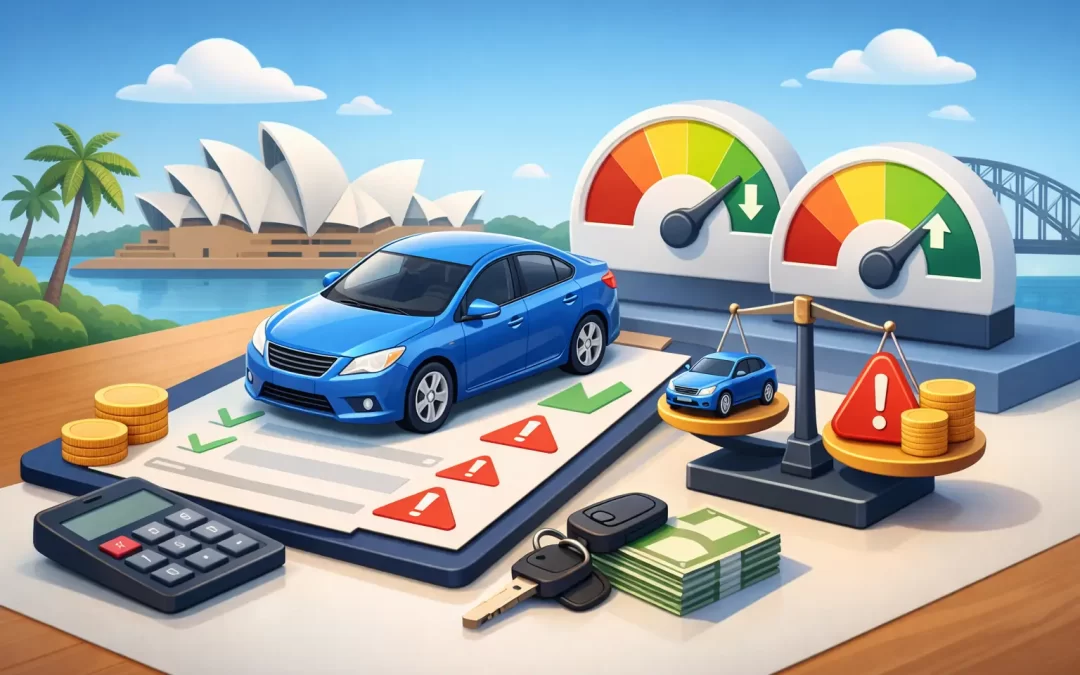
A default on your credit file can make a car purchase feel out of reach, particularly when you need reliable transport for work, family or everyday life. But car finance with defaults is not automatically off the table. The key is understanding what lenders see, what has changed since the default, and which loan structure genuinely suits your current position.
A default is a signal to a lender, not the whole story of your finances. Some lenders have strict credit policies, while others assess applications more broadly, including your recent repayment conduct, income, expenses, the vehicle you are buying and the amount you can contribute upfront. This is where tailored broker support can save time and reduce the uncertainty of applying on your own.
What a default means for a car loan application
A credit default usually appears on your credit report when an overdue debt of $150 or more remains unpaid for at least 60 days, after the required notices have been issued. It can remain on your report for up to five years, even once it has been paid. A paid default is generally viewed more favourably than an unpaid one, but lenders will still want to understand the circumstances.
They may consider when the default was listed, its value, whether it has been settled, and whether there are other credit issues on file. A single, older default caused by a short-term setback can be assessed very differently from multiple recent defaults, ongoing arrears or frequent loan enquiries.
For car finance, lenders also look beyond the credit report. They need confidence that the proposed repayments are affordable and that the car provides suitable security for the loan. A well-priced, reliable vehicle and a realistic loan amount can strengthen an application compared with seeking finance at the top end of your budget.
Can you get car finance with defaults?
In many cases, yes, although approval, rates and terms will depend on your individual circumstances. There is no responsible lender or broker who can promise approval before reviewing your situation. What can be done is to identify realistic options and present your application clearly to lenders whose policies are more likely to fit.
A secured car loan is often the most relevant option because the vehicle acts as security for the finance. This can reduce the lender’s risk compared with an unsecured personal loan. Depending on the vehicle, its age and value, the deposit available and your profile, this may open up lending pathways that would otherwise be limited.
The trade-off is that finance for borrowers with impaired credit can cost more. The interest rate may be higher, fees may apply, and some lenders may require a larger deposit or a shorter loan term. It is worth looking at the total amount repayable, not only the weekly or fortnightly figure. A lower repayment spread over too many years can still be an expensive choice overall.
What lenders are likely to assess
Lenders want evidence that the loan is manageable now, rather than relying only on what happened in the past. Stable income, sensible living expenses and recent accounts paid on time can all matter. For self-employed borrowers and small business owners, current business trading figures, bank statements and tax information may help demonstrate capacity to repay.
The purpose of the vehicle also affects the assessment. A car used to travel to worksites, carry tools or support a business can have a practical value beyond personal transport. Where appropriate, lenders may consider asset finance structures such as a chattel mortgage or finance lease for eligible business use. The right structure depends on how the vehicle will be owned and used, so it should be considered carefully rather than selected simply because it appears cheaper.
A lender may also assess the vehicle itself. Late-model cars purchased through a dealer are commonly easier to finance than very old vehicles or private-sale cars with limited value. That does not mean other vehicles are impossible to fund, but the available lender options can narrow.
Steps that can improve your application
Before applying, obtain a copy of your credit report and check it carefully. Confirm that listed defaults are accurate, identify whether they are paid or unpaid, and query any information you believe is incorrect. Knowing what is on your file prevents unpleasant surprises after an application has been submitted.
If possible, settle outstanding defaults or arrange a documented payment plan before seeking finance. This will not erase the listing straight away, but it can show a lender that the issue has been addressed. Avoid taking on new credit commitments in the meantime and keep bills, rent or mortgage payments and existing finance repayments up to date.
It also helps to set a clear vehicle budget before shopping. Include insurance, registration, fuel, servicing and tyres alongside the loan repayment. A car that looks affordable at the dealership can place pressure on your budget once all running costs are included.
A deposit or trade-in can make a meaningful difference. It lowers the amount borrowed and may improve the loan-to-value ratio, which is the percentage of the car’s value being financed. However, do not drain all of your savings to create a deposit. Keeping a reasonable buffer for unexpected expenses is often the more sustainable decision.
Finally, be measured with loan applications. Multiple applications made in a short period can create additional credit enquiries on your report. Rather than applying with several lenders at random, it is usually better to have your circumstances assessed first and approach suitable lenders strategically.
Why tailored broker guidance matters
Finding car finance with defaults is not just about locating a lender willing to say yes. It is about finding an option with repayments you can maintain, appropriate loan terms and a vehicle that suits your needs. A finance broker can review your credit position, income and vehicle plans, then compare suitable products from accredited lenders.
This can be particularly helpful if your circumstances do not fit a standard application form. Perhaps you are self-employed, purchasing a work vehicle, have recently improved your financial position, or need clarity on whether a secured loan is the right path. A broker can explain the practical differences in plain language and help prepare the documents a lender is likely to request.
At Auto Link Finance, the focus is on matching borrowers with suitable vehicle finance structures rather than taking a one-size-fits-all approach. With access to a broad lender network and decades of industry experience, the process is designed to give you a realistic view of your options before you commit to a car or a repayment.
Questions to ask before accepting an offer
An approval is only the beginning. Before signing, ask whether the interest rate is fixed or variable, what establishment and monthly fees apply, and whether there are charges for paying the loan out early. Check the loan term, repayment frequency and total amount payable over the full term.
You should also understand the security requirements and insurance conditions. With a secured car loan, the lender generally has an interest in the vehicle until the balance is repaid. Missing repayments can lead to further credit damage and, in serious circumstances, repossession of the car. If the repayment feels tight before you sign, it is worth reassessing the loan amount, term or vehicle choice.
Be cautious of offers that focus solely on fast approval while providing little detail about cost. Speed can be valuable when you need a vehicle promptly, but clear terms and affordability matter more over the life of the loan.
A past default does not have to dictate every financial decision you make next. With an honest application, a sensible budget and the right guidance, you can explore car finance options with greater confidence and choose a repayment plan that supports the road ahead.