
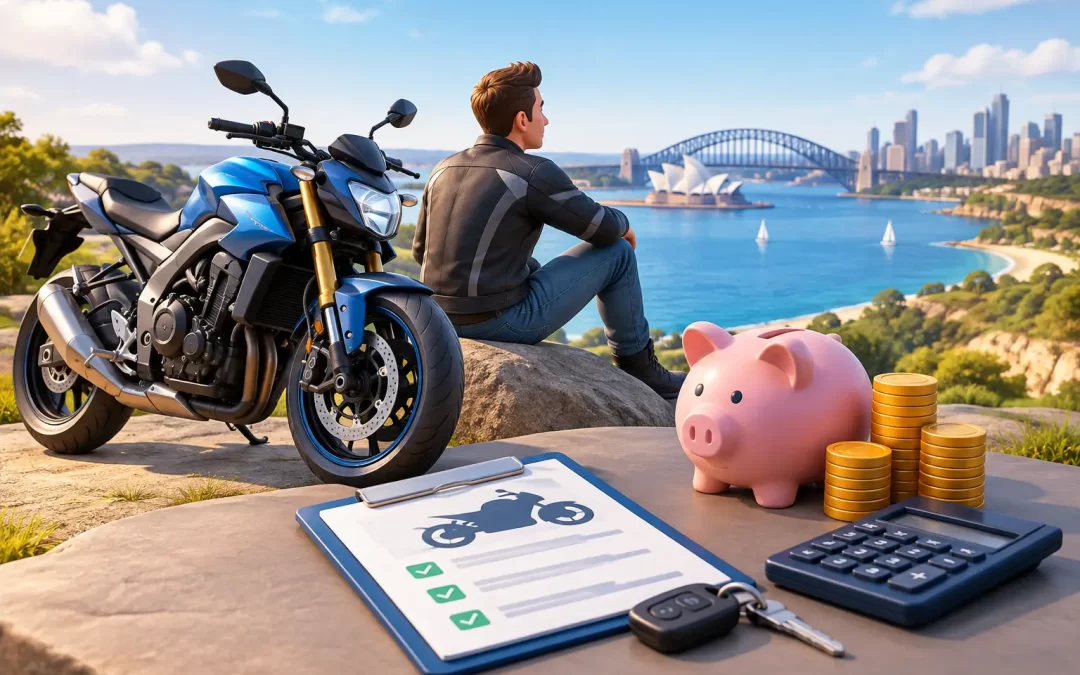
A motorbike can be an affordable way to get to work, explore on weekends or add a practical vehicle to your household. But a low purchase price does not automatically mean low ownership costs. The best top motorbike finance tips start with looking beyond the advertised repayment and choosing finance that suits how you ride, earn and budget.
Start with the full cost of owning the bike
Before comparing loans, work out what the motorbike will cost you each month and across the first year. Your repayment is only one part of the picture. Registration, comprehensive insurance, riding gear, servicing, tyres, fuel and accessories can all affect the amount you can comfortably commit to.
If you are purchasing a larger-capacity bike, a new model or a bike with specialist parts, insurance and maintenance may be higher than expected. Ask for insurance quotes before you sign a contract, rather than treating them as an afterthought. This gives you a more realistic figure for your total monthly outgoings.
A sensible budget also leaves room for normal life expenses and unexpected costs. Choosing a lower repayment that you can maintain comfortably is usually more valuable than stretching for a bike that puts pressure on your cash flow.
Set a purchase price before visiting the dealership
It is easy to focus on what a lender may approve, but approval amount and comfortable borrowing amount are not always the same thing. Decide your ideal purchase range before you start shopping, then allow a modest buffer for on-road costs, transfer fees, safety gear or any accessories you genuinely need.
A deposit can reduce the amount borrowed, which may lower your repayments and the total interest paid over the loan. However, it is not always wise to use every dollar of savings for the deposit. Keeping an emergency buffer can help you stay on top of repayments if an unexpected bill arrives.
If you are trading in an existing bike, confirm its realistic value rather than relying only on an optimistic private-sale estimate. The trade-in amount can form part of your deposit, but it is important to understand the final offer and whether there is any outstanding finance to clear.
Compare the loan structure, not just the interest rate
One of the most useful motorbike finance tips is to compare the complete loan offer. A low advertised rate can look attractive, but the right option depends on the comparison rate, fees, loan term, repayment frequency and flexibility available to you.
A secured motorbike loan commonly uses the bike as security for the finance. Because the lender has security over the asset, it may offer a more competitive rate than an unsecured personal loan. The trade-off is that the lender may have rights over the motorbike if repayments are not met, so it is essential to borrow within your means.
An unsecured loan may suit some purchases or circumstances, particularly where the bike does not meet a lender’s security criteria. It can be simpler in some cases, but rates may be higher. The best structure is not universal. It depends on the age and value of the bike, your financial position and the lender’s requirements.
When reviewing options, check whether there are establishment, monthly account, early payout or extra repayment fees. Also ask whether you can make additional repayments without penalty. That flexibility can be useful if your income increases or you receive a bonus and want to reduce the balance sooner.
Choose the term carefully
A longer loan term generally reduces the weekly or monthly repayment, which can make budgeting easier. The downside is that you usually pay more interest over the life of the loan. A shorter term can reduce the total cost of finance, although the repayments will be higher.
There is another consideration with motorbikes: depreciation. Financing a bike for too long can leave you owing more than it is worth, especially if it is a model that loses value quickly. Aim for a term that balances affordability with the likely value of the bike over time.
Check your credit position before you apply
Knowing where you stand before lodging applications puts you in a stronger position to make decisions. Review your credit report for incorrect personal details, accounts that should be closed, or defaults that may have been listed in error. If something does not look right, investigate it before proceeding.
Past credit issues do not always rule out motorbike finance. Lenders assess applications differently, and some take a more practical view when recent repayment conduct, income stability and overall affordability are positive. What matters is presenting an accurate, complete picture of your circumstances.
Avoid submitting multiple applications without a clear plan. Repeated credit enquiries in a short period can create questions for some lenders. A finance broker can help assess suitable pathways before an application is submitted, reducing the guesswork and helping protect your time.
Have your documents ready
A quick approval process is much easier when you can provide clear information from the start. Most lenders will want to verify identity, income, expenses and the motorbike being purchased. Depending on your circumstances, this may include payslips, bank statements, tax returns, business activity statements or financials for self-employed applicants.
Make sure the purchase details are accurate. The bike’s make, model, year, price, seller details and vehicle identification number can affect the lender’s assessment. If you are buying privately, there may be additional checks to ensure the bike is not subject to existing finance or other issues that could complicate settlement.
Being upfront about existing debts, regular expenses and credit history is equally important. Surprises late in the process can cause delays. Clear information lets your broker or lender recommend a structure based on the real situation, not assumptions.
Do not overlook private-sale and used-bike checks
A used motorbike can offer excellent value, but it needs more due diligence than simply taking it for a short ride. Check the service history, inspect tyres and chain condition, look for signs of crash damage, and consider an independent inspection for higher-value purchases.
For a private sale, confirm the seller is entitled to sell the bike and check that it is not recorded as stolen, written off or carrying money owing. A bargain can become expensive very quickly if there is a problem with ownership, condition or existing security over the motorbike.
Lenders may also have different policies for older bikes, imported models or modified motorcycles. Confirm finance eligibility before paying a non-refundable deposit, particularly if your chosen bike is outside the mainstream market.
Match repayments to your pay cycle
Weekly, fortnightly and monthly repayments can all work well, provided they align with how you receive income and manage bills. A repayment schedule that matches your pay cycle can make it easier to set funds aside and avoid missed payments.
Set up a direct debit only after checking the payment date, account details and the available balance you need to maintain. If your income varies through the year, choose a repayment level based on your quieter periods rather than your best month. You can then make extra repayments during stronger months if your loan permits it.
Get tailored support before committing
Motorbike finance is not just about getting an approval. It is about understanding the commitment and selecting terms that support your plans after you collect the keys. A broker can compare suitable lender options, explain the differences in plain language and help identify a repayment structure that fits your circumstances.
With 35 years of industry experience, Auto Link Finance helps Australian riders explore tailored finance options for new and used motorbikes, including applicants with more complex credit histories. The goal is to make the process clearer, not to pressure you into borrowing more than you need.
Take your time with the numbers, ask questions about every fee and condition, and only proceed when the repayment feels sustainable. The right finance should leave you free to enjoy the ride, not worry about the next payment.