
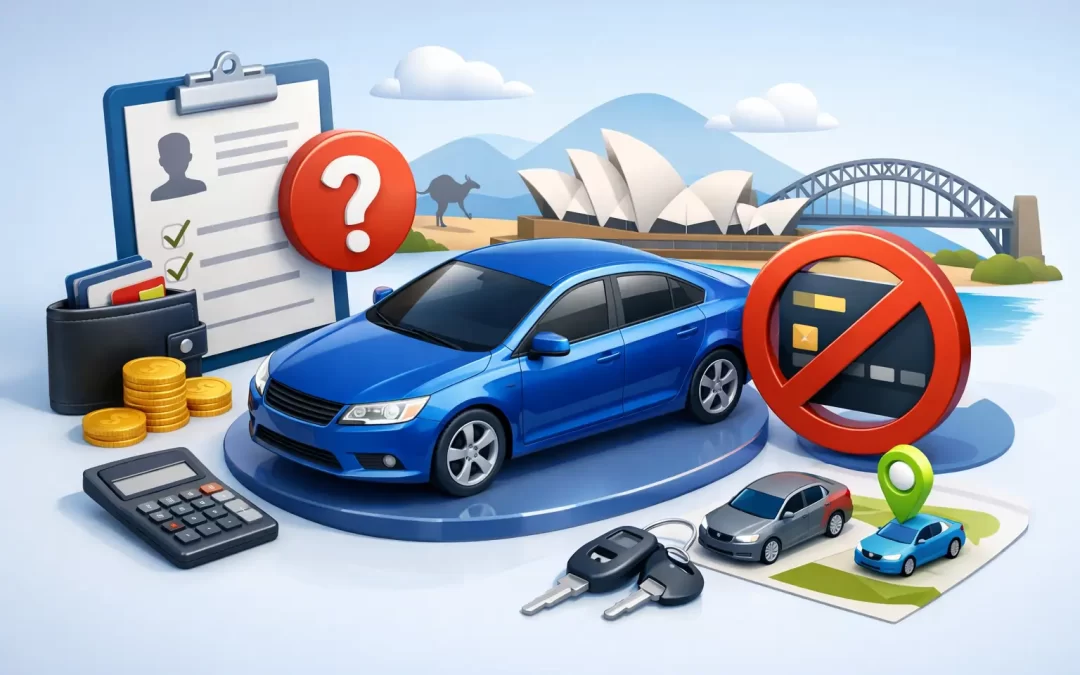
A thin credit file should not automatically put a car purchase out of reach. If you have little or no borrowing history in Australia, no credit car finance may offer a practical path to buying the vehicle you need, provided the repayments suit your budget and the loan is structured responsibly.
The phrase can be confusing. It does not usually mean a lender ignores your financial position or skips all checks. It generally refers to car finance for people who have not yet built a conventional credit history, such as someone new to borrowing, or whose file gives lenders limited information. The focus shifts towards current affordability, stable income, bank account conduct and the vehicle being purchased.
What no credit car finance really means
Australian lenders have responsible lending obligations. Before approving a car loan, they need to make reasonable enquiries about your circumstances and assess whether you can meet the repayments without substantial hardship. That means no credit car finance is not a shortcut around affordability checks.
Instead, lenders may use a broader view of your application. Along with any available credit report information, they can consider your income, regular expenses, employment details, savings patterns, existing financial commitments and the security offered by the car.
For many borrowers, a secured car loan is the most relevant option. The vehicle acts as security for the finance, which can reduce the lender’s risk compared with an unsecured personal loan. Depending on the lender, the age, value and type of vehicle can influence the rate, maximum loan amount and available term.
This is why the right question is not simply, “Can I get approved?” It is, “Which loan structure gives me a realistic repayment and fits the car I am buying?”
How lenders may assess a limited credit history
A lender wants to see evidence that the proposed repayment is manageable after normal living costs and existing commitments are taken into account. A limited credit history is only one part of that assessment.
Clear, consistent income is often central. Payslips, bank statements and transaction history may help demonstrate how money comes in and how household expenses are managed. If you are self-employed, recent bank statements, tax returns, notices of assessment or business activity information may be relevant, depending on the lender and the application.
The car itself matters too. A late-model vehicle from a recognised dealer may meet some lenders’ criteria more easily than an older private-sale vehicle. That does not mean private purchases or older cars are impossible to finance, but the pool of suitable options can be different.
A deposit or trade-in can also strengthen an application. It lowers the amount borrowed and may reduce the lender’s exposure if the vehicle’s market value changes. However, using every dollar of savings as a deposit is not always wise. Keeping a sensible cash buffer for registration, insurance, servicing and unexpected costs can be just as important.
Documents that can support your application
Having the right information ready can make the process more straightforward and help a broker present your circumstances accurately. Requirements differ between lenders, but an application may call for:
- Proof of identity, such as an Australian driver licence or passport
- Recent income evidence, including payslips or bank statements
- Details of regular expenses and existing financial commitments
- Information about the vehicle, including a dealer invoice or private-sale details
- Self-employed financial documents where relevant
Accuracy matters more than trying to make an application look perfect. Missing repayments, undisclosed debts or inconsistent information can create delays and reduce confidence in the application. A clear explanation of your position is usually more helpful than guesswork.
Choosing a loan that works beyond approval
Approval is only the beginning. Car finance should leave room for the actual cost of owning the vehicle, not just the loan instalment. Fuel, comprehensive insurance, registration, tyres, servicing and repairs all need a place in your budget.
The interest rate is important, but it should not be viewed in isolation. Compare the comparison rate where available, establishment and monthly fees, the total amount repayable, the loan term and whether there are charges for making extra repayments or paying the loan out early. A lower advertised rate can still be paired with terms that do not suit your circumstances.
A longer loan term can reduce the weekly or monthly repayment, which may make cash flow easier to manage. The trade-off is that you are generally paying interest for longer and may pay more overall. A shorter term can reduce total interest, but only if the higher repayment remains comfortable across quieter months and normal changes in household costs.
Borrowing only what you need is another sound principle. It can be tempting to stretch the budget for a more expensive car, particularly when a lender offers a higher amount. Yet choosing a reliable vehicle with manageable repayments can put you in a stronger position to build a positive repayment record over time.
Common mistakes to avoid with no credit car finance
The pressure to secure a vehicle quickly can lead people to accept the first offer they receive. A fast decision may be necessary when a car is essential for work or family commitments, but speed should not replace comparison and careful reading of the contract.
Avoid submitting applications to numerous lenders without a plan. Finance enquiries can appear on your credit report, and a cluster of enquiries may raise questions for future lenders. It is better to understand likely options first and submit an application that is matched to your circumstances.
Be cautious with repayments that only work under ideal conditions. If the budget depends on overtime every week, no unexpected bills and no rise in regular expenses, the loan may be too tight. Build in a margin where possible.
Finally, do not overlook the condition and history of the vehicle. Independent inspections, a check of the vehicle’s history and confirming that the seller has the right to sell it can help prevent a finance decision turning into an expensive ownership problem.
When broker support can make a difference
Finding suitable no credit car finance can take more than completing an online form. Different lenders have different policies around credit history, income types, vehicle age, private sales and deposit requirements. A loan that is unsuitable with one lender may be assessed differently by another, although approval is never guaranteed.
A finance broker can review the details that matter, explain realistic pathways and help identify a structure aligned with your budget and car purchase. This can be particularly useful for self-employed buyers, people with limited borrowing history and customers comparing vehicles with different prices or ages.
At Auto Link Finance, the approach is centred on understanding the complete picture before seeking options through an accredited lender network. That includes looking at the asset, your income and expenses, and the repayment term that makes sense for your circumstances – not simply chasing the largest possible approval.
Prepare before you choose your car
Before signing a purchase contract or paying a holding deposit, work out a comfortable repayment range and factor in every ownership cost. Gather your documents, check the vehicle details and ask direct questions about fees, loan security and early repayment conditions.
A limited credit history is a starting point, not a permanent label. Choosing a vehicle and finance arrangement you can confidently maintain gives you more than a way to get on the road – it gives you the chance to build stronger financial options for the future.