
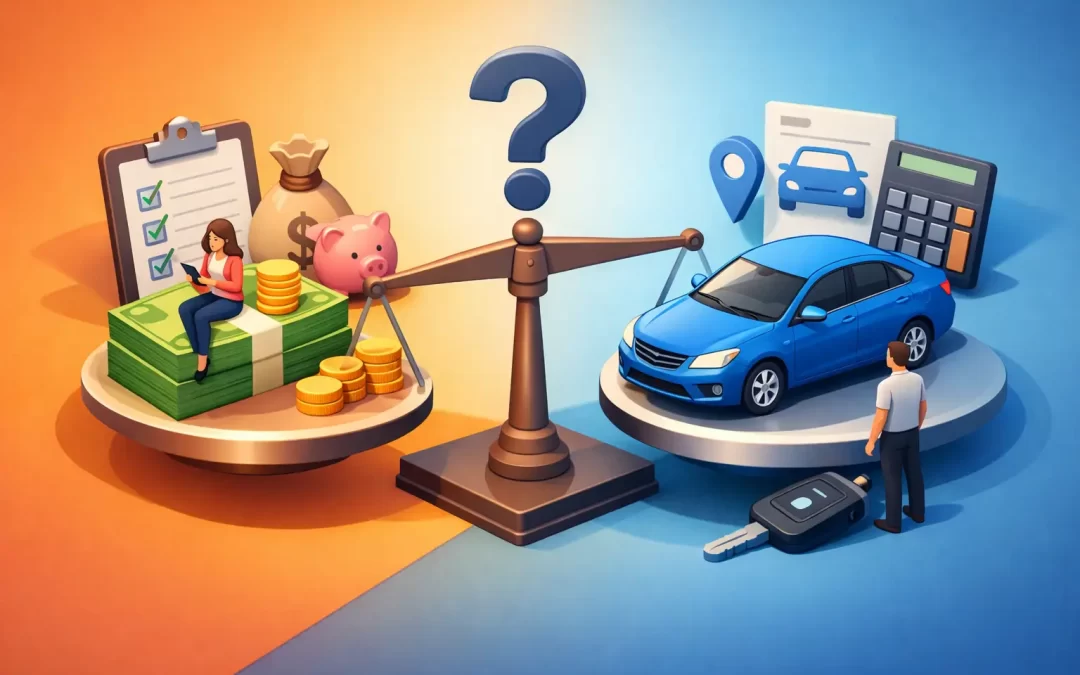
A car may be the biggest purchase you make after a home, so the way you finance it deserves more thought than simply accepting the first approval. When weighing up a personal loan vs car loan, the right choice comes down to the vehicle, your budget, how quickly you need funds and whether you are comfortable using the car as security.
Both options can help you get behind the wheel, but they are structured differently. Understanding those differences before you apply can help you choose repayments that feel manageable now and remain workable over the life of the loan.
Personal loan vs car loan: the key difference
A personal loan is usually an unsecured loan. You borrow an agreed amount and repay it, plus interest and any applicable fees, over a set term. Because there is generally no asset securing the loan, the funds can often be used more flexibly. That can be useful if your purchase includes more than the vehicle itself, such as insurance, registration, repairs or accessories.
A car loan is commonly a secured loan. The vehicle being purchased acts as security for the finance. If repayments are not met, the lender may have the right to repossess and sell the vehicle to recover the debt. That security can reduce the lender’s risk, which may mean a lower interest rate than an unsecured personal loan for an eligible borrower.
The lower rate is not automatic, and the cheapest-looking option is not always the best fit. Your credit profile, income, expenses, the car’s age and value, the loan term and lender policy can all affect the rate and conditions you are offered.
When a car loan may make more sense
A secured car loan is often suited to someone buying a vehicle that meets lender requirements and who wants finance designed specifically for that purchase. Newer used cars and new vehicles are commonly easier to finance than very old, heavily modified or unusually valued vehicles, although lender criteria vary.
The main benefit is the potential for a more competitive rate. On a sizeable vehicle purchase, even a modest rate difference can affect the total amount repaid. Car finance can also offer terms built around vehicle ownership, including options for a deposit, trade-in value or, where appropriate, a balloon payment.
A balloon payment is a larger amount due at the end of the loan term. It can reduce regular repayments, which may help cash flow, but it does not make the debt disappear. You need a realistic plan to pay, refinance or sell the vehicle at the end of the term. It is best considered carefully, especially if vehicle values could change.
A secured car loan may also suit self-employed borrowers or small business owners purchasing a work vehicle. Depending on the buyer and intended use, structures such as a chattel mortgage or finance lease may be worth discussing with an accountant and finance specialist. The right structure is not just about the repayment amount – it can affect ownership, cash flow and potential tax treatment.
When a personal loan may be the better fit
A personal loan can be a practical choice when flexibility matters more than securing a lower rate. Perhaps you are buying an older car that does not meet secured vehicle-finance criteria, purchasing privately, or need to cover related costs as part of one borrowing amount.
Because an unsecured personal loan does not generally use the car as security, there may be fewer restrictions around the type of vehicle you purchase. You may also have more freedom to sell or replace the car without needing to arrange a payout or release of security first. That said, you still owe the remaining loan balance after selling the vehicle.
The trade-off is that unsecured loans can carry higher interest rates than secured options. They may also have lower maximum borrowing limits or shorter available terms. For borrowers with a more complex credit history, the available rate and loan amount may differ significantly between lenders, so comparing a single advertised rate is rarely enough.
Compare the total cost, not just the repayment
It is easy to focus on the weekly or monthly repayment because it is the figure you will see most often. However, a lower repayment can result from stretching the loan over a longer term, and that can mean paying more interest overall.
Before deciding, compare the interest rate, comparison rate, establishment fees, monthly or annual fees, early repayment conditions and the total amount payable across the full term. Ask whether the rate is fixed or variable, whether extra repayments are allowed and whether there is a fee for paying the loan out early.
A longer term may reduce pressure on your regular budget, but the vehicle may depreciate faster than the loan balance falls. This can leave you owing more than the car is worth, particularly in the early years. A sensible deposit, a shorter affordable term and repayments above the minimum where permitted can all help reduce that risk.
It is also worth considering the vehicle’s ongoing costs. Fuel, servicing, tyres, registration, insurance and unexpected repairs should sit alongside the loan repayment in your budget. The aim is not simply to qualify for finance. It is to choose finance you can comfortably maintain.
Approval factors to consider
Whether you apply for a personal loan or car loan, lenders usually assess your capacity to repay. They may review your income, regular expenses, existing debts, credit history and the details of the vehicle where the loan is secured.
For salaried applicants, recent payslips and bank statements are commonly requested. Self-employed applicants may need to provide business financials, tax returns or bank statements, depending on the lender and the age of the business. Having clear, current documents ready can make the process more straightforward.
Past credit issues do not always mean finance is out of reach. They can affect the rate, deposit requirement, loan amount or lender options available. A specialist broker can help assess the situation realistically and identify lenders whose criteria may better suit your circumstances, rather than encouraging applications that are unlikely to proceed.
Questions to ask before choosing your loan
Start with the vehicle itself. Is it new, used, private sale or purchased through a dealer? Does its age, condition and value meet secured-loan requirements? Then consider how long you expect to keep it and whether you may want the freedom to sell it before the loan ends.
Next, look closely at your cash flow. Could you manage the repayments if fuel, insurance or business expenses rise? Would a deposit reduce your repayment to a more comfortable level? If a balloon is being considered, how will you deal with it at the end of the agreement?
Finally, make sure you are comparing like for like. A quote with a low rate may include fees, restrictive conditions or a longer term that changes the overall cost. A personalised comparison should account for the asset, your financial position and what you need the vehicle to do for you.
Getting support with the right structure
Choosing between a personal loan and car loan should not feel like a guess. The strongest option is often the one that balances an affordable repayment with a sensible total cost and terms that suit your plans for the vehicle.
Auto Link Finance can help eligible borrowers compare tailored vehicle-finance options across a broad lender network, including solutions for complex credit situations and self-employed applicants. With the right guidance, you can move forward knowing your finance is built around your circumstances, not a one-size-fits-all offer.
Before you commit, take the time to review the full loan terms and ask questions about anything unclear. A vehicle should give you more freedom, and the finance behind it should support that goal.