
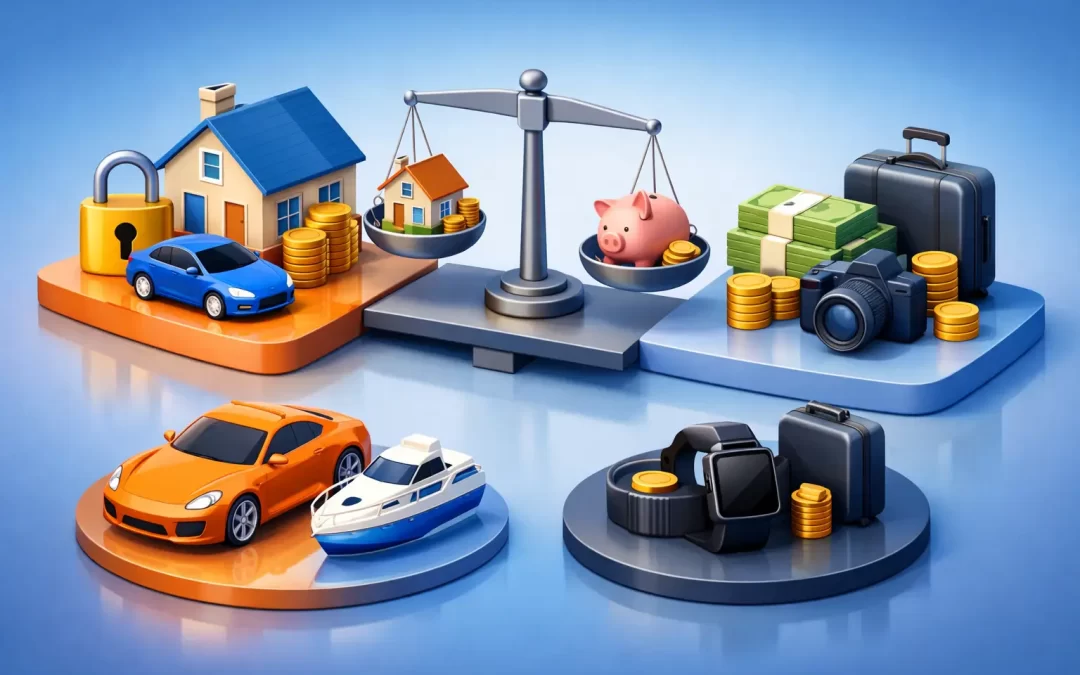
A car that gets you to work, a caravan for family trips, or machinery that helps your business take on more work can all create the same finance question: secured loan vs personal loan – which one suits you? The answer is not simply about finding the lowest advertised rate. It comes down to what you are buying, how long you need to repay it, your cash flow, and how comfortable you are using an asset as security.
For many Australians, the right structure can make repayments more manageable and improve the overall cost of finance. The wrong one can leave you paying more than necessary or tied to terms that do not fit your plans.
Secured loan vs personal loan: the key difference
A secured loan is backed by an asset. In vehicle and equipment finance, that asset is usually the car, motorbike, truck, boat, caravan or piece of equipment you are purchasing. The lender registers an interest in it and may have the right to repossess and sell it if the loan is not repaid under the agreed terms.
A personal loan is often unsecured, meaning you do not offer a specific asset as security. Approval is based more heavily on your income, expenses, credit history and ability to meet the repayments. Some lenders also offer secured personal loans, so it is worth checking the actual loan documents rather than relying on the product name alone.
This distinction affects the rate you may be offered, the amount you may be able to borrow, the available term and the lender’s recovery options if repayments fall behind. It does not remove the need for responsible borrowing. With either type of finance, missed repayments can affect your credit file and create financial pressure.
How secured loans work for vehicles and equipment
Secured finance is commonly used where there is a clear, identifiable asset with value. A lender may use the vehicle identification number, serial number or other asset details to record its security interest. Because the lender has an asset supporting the loan, it may view the arrangement as lower risk than an unsecured loan.
That can translate to a more competitive interest rate for eligible borrowers. It can also make secured finance a practical option for higher-value purchases, such as a late-model ute, a prime mover, earthmoving equipment or a caravan. Terms can often be matched to the useful life of the asset, rather than forcing a larger repayment over a short period.
A secured car loan example
Say you are buying a $35,000 used car and have a steady income. A secured car loan may use the vehicle as security and spread repayments over an agreed term. Depending on the lender and your circumstances, this can result in a lower rate than an unsecured personal loan.
The trade-off is clear: the car is at risk if you cannot maintain the repayments. You may also need comprehensive insurance while the loan is in place, and the lender may have rules around the age, condition or value of the vehicle.
A business asset example
For a self-employed electrician purchasing a work van and specialist tools, a secured structure may be more suitable than putting the full purchase on an unsecured personal loan. The asset supports the finance, while the repayment term can be shaped around expected business cash flow.
The most suitable option could be a chattel mortgage, finance lease, hire purchase arrangement or commercial loan, depending on how the asset will be used and your business structure. Tax treatment and accounting outcomes can vary, so it is sensible to speak with your accountant before deciding on a business finance structure.
When a personal loan may make more sense
An unsecured personal loan can be useful when there is no suitable asset to secure, when the purchase includes several smaller costs, or when you prefer not to have a specific asset tied to the finance. For example, a personal loan may help cover a modest vehicle purchase alongside registration, repairs and other upfront expenses, subject to the lender’s purpose and lending criteria.
It may also suit a borrower buying an older vehicle that falls outside a secured lender’s asset guidelines. Some lenders place limits on the age of a car at the end of the loan term, or may not accept certain vehicle types as security.
The flexibility of an unsecured loan can be appealing, but it often comes at a cost. Since the lender has no specific asset to recover, rates may be higher than for comparable secured finance. Loan amounts and repayment terms may also be more limited. A lower monthly repayment is not automatically better if it is created by extending the term and increasing the total interest paid.
Compare the total commitment, not just the rate
The interest rate matters, but it is only one part of the decision. Before accepting either loan type, look at the comparison rate where provided, establishment fees, monthly or annual fees, early repayment conditions and any balloon payment.
A balloon is a lump sum due at the end of some asset finance agreements. It can lower regular repayments, which may help cash flow, but it means you need a realistic plan to pay, refinance or sell the asset when the term ends. It should never be treated as a surprise for future you to solve.
You should also consider how quickly the asset may depreciate. A vehicle can lose value faster than the loan balance falls, particularly if you choose a long term with little or no deposit. If the car is written off or needs to be sold early, insurance and sale proceeds may not fully clear the remaining loan balance.
Choosing the right loan for your circumstances
Start with the purpose of the purchase. If you are buying a car, motorbike, truck, caravan, boat or equipment with a clear resale value, secured finance is often worth considering. If the funds are for a broader personal expense, or the asset is not eligible security, an unsecured personal loan may be the more realistic pathway.
Next, test the repayment against your actual budget. Allow for fuel, servicing, insurance, registration, storage, operating costs and any seasonal changes to income. For business owners, use conservative figures rather than assuming every future job will land on time.
Your credit profile also plays a role. A past credit issue does not always rule out finance, but it can affect the rate, deposit requirements and lender options available. Being upfront about your circumstances allows a broker to focus on lenders and structures that are genuinely appropriate, rather than sending applications where the fit is poor.
Finally, think about your plans for the asset. If you expect to upgrade your vehicle within two years, check whether there are early payout fees and whether the likely sale value would cover the remaining balance. If you plan to keep a work vehicle for years, a structure with predictable repayments and the right term may offer greater certainty.
Prepare before you apply
A stronger application starts with accurate information. Have the purchase price and asset details ready, along with identification, income evidence, recent bank statements and a clear picture of your regular commitments. Self-employed applicants may also be asked for business financials, tax returns or activity statements, depending on the lender and loan type.
Avoid applying with several lenders at once simply to see what happens. Multiple credit enquiries in a short period can be unhelpful, particularly if your credit history is already complex. A considered application strategy gives you a better chance of finding suitable finance without unnecessary friction.
Auto Link Finance can help compare secured and unsecured options across a broad lender network, with advice shaped around the asset, your budget and your approval prospects. The aim is not to push every borrower into the same product, but to help you understand the structure you are committing to before you sign.
The best loan is the one that lets you buy the asset you need while keeping repayments realistic and risks understood. Take the time to compare the full terms, ask direct questions, and choose finance that supports what comes next.