
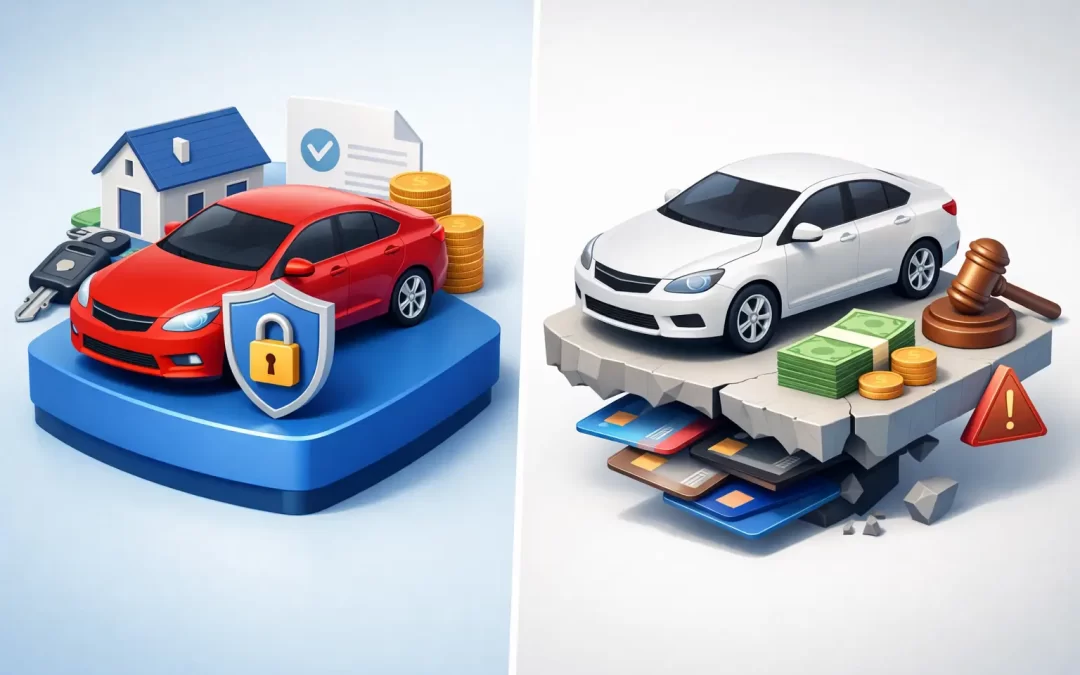
The car you choose is only half the decision. The way you finance it can affect your interest rate, repayment flexibility and what happens if your circumstances change. When comparing secured vs unsecured car loans, the key question is not simply which option is easier to get. It is which structure makes sense for your vehicle, budget and level of comfort with risk.
A secured loan is the more common structure for purchasing a car, particularly where the vehicle meets a lender’s age and value requirements. An unsecured personal loan can offer more freedom in some situations, but that flexibility may come with a higher rate. Understanding the practical difference before you apply can help you borrow with greater confidence.
What is a secured car loan?
With a secured car loan, the vehicle you purchase is used as security for the finance. In practical terms, the lender has a registered interest in the car while the loan is outstanding. Once the final repayment has been made and the loan is closed, that interest is removed.
Because the lender has an asset supporting the loan, secured finance often attracts a lower interest rate than an unsecured loan. The vehicle gives the lender some protection if repayments are not met, which can reduce the lending risk. That saving can make a meaningful difference to the total cost of finance, especially on a larger loan amount or longer term.
This does not mean every car will qualify. Lenders can set criteria around the age, condition, value and type of vehicle they will accept as security. A newer passenger vehicle may suit one lender’s policy, while an older car, a specialist vehicle or a private sale may need a different approach. This is where having access to several lender options can be valuable.
A secured loan can suit buyers who are purchasing an eligible vehicle, want competitive repayments and are comfortable with the car being tied to the finance agreement. It may be used for personal cars, utes, motorbikes, trucks and other assets, subject to the lender and loan purpose.
The risk to understand
Security should never be treated as a formality. If repayments are missed and the issue cannot be resolved, the lender may have the right to repossess and sell the vehicle under the terms of the agreement. If the sale proceeds do not cover the outstanding balance and relevant costs, you may still owe a shortfall.
That is why the right repayment amount matters more than chasing the lowest advertised rate. Allow room in your budget for fuel, insurance, registration, maintenance and any changes in income or business cash flow.
What is an unsecured car loan?
An unsecured car loan does not use the car, or another specified asset, as security for the borrowing. It is generally assessed as a personal loan based on factors such as your income, existing commitments, credit profile and ability to afford the repayments.
You can still use the funds to buy a car, but the loan is not directly secured against that vehicle. This can be useful where the car does not meet secured-finance criteria, where you are buying an older vehicle, or where you want broader freedom over how the funds are used.
The trade-off is cost. As there is no asset securing the loan, lenders may charge a higher interest rate or apply tighter assessment criteria. The rate you are offered will depend on your individual circumstances, not just whether the loan is secured or unsecured.
Defaulting on an unsecured loan is still serious. Although the lender does not hold the car as nominated security, missed payments can lead to fees, collection activity and damage to your credit file. A lender may also pursue available recovery options under the loan agreement and applicable law. An unsecured loan is not a risk-free option – it simply manages lender security differently.
Secured vs unsecured car loans: the practical differences
The most noticeable difference is usually the interest rate. A secured loan may offer a lower rate because the vehicle supports the borrowing. But rate is only one part of the comparison. Fees, loan term, repayment frequency, early repayment conditions and any balloon payment should all be considered together.
A balloon payment is a larger amount left to pay at the end of some vehicle finance agreements. It can reduce regular repayments, which may assist cash flow, but it also means you need a clear plan for that final amount. Not every secured or unsecured product offers this feature, and it is not suitable for every borrower.
Flexibility is another distinction. An unsecured personal loan may allow you to purchase a vehicle without the lender needing to approve the car as security. This can simplify some purchases, particularly if the vehicle is older or unusual. A secured loan can involve vehicle details, valuation considerations and conditions around insurance, but it may reward that extra structure with sharper pricing.
Approval is never automatic with either option. A lender will look at whether the proposed repayments are affordable, alongside your credit history, employment or business income, expenses and existing liabilities. For self-employed applicants, available financial records such as business bank statements, tax returns or BAS may help demonstrate income, depending on the lender’s requirements.
When a secured loan may be the better fit
A secured loan is often worth considering if you are buying a vehicle that fits lender policy and your priority is keeping borrowing costs as manageable as possible. It can be particularly relevant for a newer used car or new car purchase where the asset has clear value.
It may also suit a business owner financing a work vehicle or equipment where the asset will help generate income. In these situations, the right structure can be just as important as the rate. A chattel mortgage, finance lease or hire purchase arrangement may be more appropriate than a standard personal car loan, depending on how the vehicle is used and your financial advice.
Before proceeding, check the total repayments over the full term, not just the weekly or monthly figure. A longer term can lower each repayment but may increase the total interest paid. Also ask about establishment fees, monthly account fees, early payout conditions and whether comprehensive insurance is required.
When an unsecured loan may make more sense
An unsecured loan may be a sensible option if the vehicle is unlikely to be accepted as security, or if you value the ability to buy without asset-specific finance conditions. For example, someone purchasing an older car from a private seller may find an unsecured option more practical than trying to meet a secured lender’s vehicle criteria.
It can also be useful where the funds need to cover related purchase costs as well as the car itself. Even then, compare the total cost carefully. A convenient approval process is helpful, but it should not lead you into repayments that stretch your budget.
If you have had credit challenges in the past, the choice may be less straightforward. Some specialist lenders assess applications differently from major banks, but approval, pricing and loan terms will still reflect the overall risk. Clear information and realistic expectations give you the best chance of finding a workable solution.
Compare the loan, not just the headline rate
A proper comparison starts with the amount you need to borrow and ends with the total amount you will repay. Request a repayment estimate based on the actual vehicle price, your preferred term and any deposit or trade-in. Then consider whether you could still meet that repayment if an unexpected expense arrived.
It is also worth looking beyond one lender. Different lenders have different policies for vehicle age, private sales, self-employed income, credit history and loan amounts. A product that is unsuitable at one institution may be a reasonable fit at another.
An experienced broker can help narrow the field without leaving you to decode every product condition alone. Auto Link Finance assesses the details that matter – the asset, your borrowing goals and your financial position – then helps identify finance options that are tailored to the purchase rather than forcing you into a one-size-fits-all answer.
Choose a structure you can live with
The best choice between secured and unsecured finance is the one that supports the vehicle purchase without putting unnecessary pressure on your finances. Secured finance may deliver lower-cost borrowing for an eligible car, while unsecured finance can offer a useful alternative where asset requirements do not fit.
Take the time to test the repayments against your real household or business budget, ask questions about the terms you do not understand, and choose a loan that still feels manageable after the excitement of buying the vehicle has passed. That is the kind of confidence worth financing.